"My weight was getting so out of control. I started their weigh loss diet program and lost 32 lbs! I have been able to reduce my blood pressure medicine, fit back in my clothes, have tons more energy... Now I am back to eating and my desire for foods has changes drastically. Saved my life!!! Pamela, Scottsdale Az
"Dr. Cline and Dr. Terranella have been amazing! For the first time we found doctors that actually listen. They care about how your feeling and try everything they can to get you back to a normal state. I am in love with these guys! If you want amazing care, see these guys." Jennifer F. ,Phoenix Az
What does methylfolate do for your body? What's the big deal anyway, and why do people take it? If you're asking those questions, it's probably because you've come across the fact that you have an MTHFR gene alteration — a single nucleotide polymorphism that affects your ability to make the active form of folate. In this post I'll walk through the three main jobs methylfolate does in the body, and why it matters.
The Three Functions Of Methylfolate
I think about methylfolate as having three distinct functions — and some of them overlap. The first is SAMe production. Methylfolate helps with the conversion of homocysteine into SAMe (S-adenosylmethionine). The second is recycling biopterin, which is needed to produce neurotransmitters. The third is supporting DNA — specifically the formation of DNA base pairs and DNA repair.
SAMe And Methyl Transferases
SAMe is one of the main donors of methyl groups to methyl transferase enzymes. Enzymes are proteins that help your body perform reactions — think of them as the machine that takes a raw input and turns it into a product. Methyl transferases use SAMe to transfer a methyl group (CH₃ — a carbon with three hydrogens attached) onto other molecules. That methyl group is small, but biologically it's powerful.
One of the things SAMe and methyl transferases help your body produce is creatine — which is important for energy production, especially when you're at the anaerobic threshold (running for a long time, doing a max effort). Creatine helps your muscles recycle energy quickly. Without enough methylfolate, you may not have enough SAMe, and creatine production suffers.
Cell Membranes And Phospholipid Production
SAMe is also involved in producing phospholipids — the components of your cell membranes. Phospholipids are signaling molecules and structural components. If you're not making good cell membranes, you're not going to get nutrients in and out of your cells efficiently. Methylfolate's role here is upstream — without it, the methylation reactions that build phospholipids can't happen properly.
DNA Repair And Gene Expression
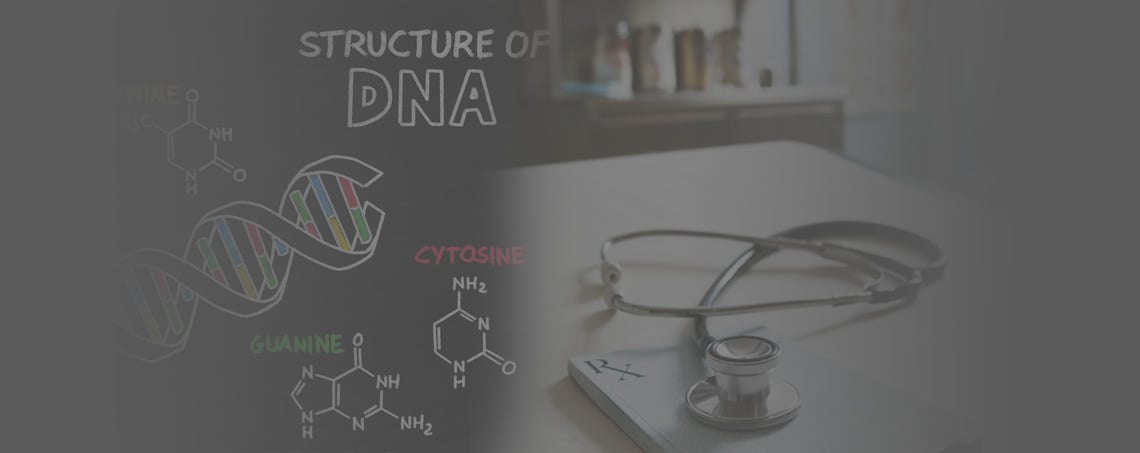
The third function involves DNA. Methylfolate is needed for DNA base pair formation and DNA repair. Beyond that, methyl groups donated through the methylation cycle land on DNA itself, which is how the body controls gene expression — turning genes on and turning genes off. So methylfolate is upstream of how your DNA gets read.
Why This Matters Especially For MTHFR Carriers
If you don't have an MTHFR gene alteration, your body usually makes enough methylfolate from dietary folate or folic acid on its own. But if you have an MTHFR variant, the conversion runs less efficiently. That's why supplementing with the active form — methylfolate — can be important: you're skipping the bottleneck.
The downstream effects matter. If methylfolate is short, SAMe production drops, methylation slows, and you get downstream consequences in creatine production, energy and endurance, tissue repair, cell membrane signaling, and DNA-level gene expression.
A Note On Side Effects
Methylfolate isn't risk-free for everyone. Some people experience side effects, especially at higher doses. The likelihood and intensity depend on your dose and other factors specific to you. If you're starting methylfolate, the safest approach is starting at a low dose and working with a clinician who can adjust based on how you respond.
Conclusion
Methylfolate has three primary functions in the body: helping make SAMe (which donates methyl groups to a long list of reactions), recycling biopterin for neurotransmitter production, and supporting DNA. For people with MTHFR variants, supplementing with the active form is often what makes the difference between methylation working and methylation falling short.
For a deeper guide on B12, methylation, and how MTHFR affects what form of folate you should take, my book "Don't B12 Deficient" (affiliate link) walks through it. If you want help building a methylation plan based on your specific labs and symptoms, work with me directly.